
You might have heard whispers about new changes to what VIO officers can and cannot do on the road. Let’s clear the air and talk about what this actually means for you as a driver.
What’s Changed? The Real Story
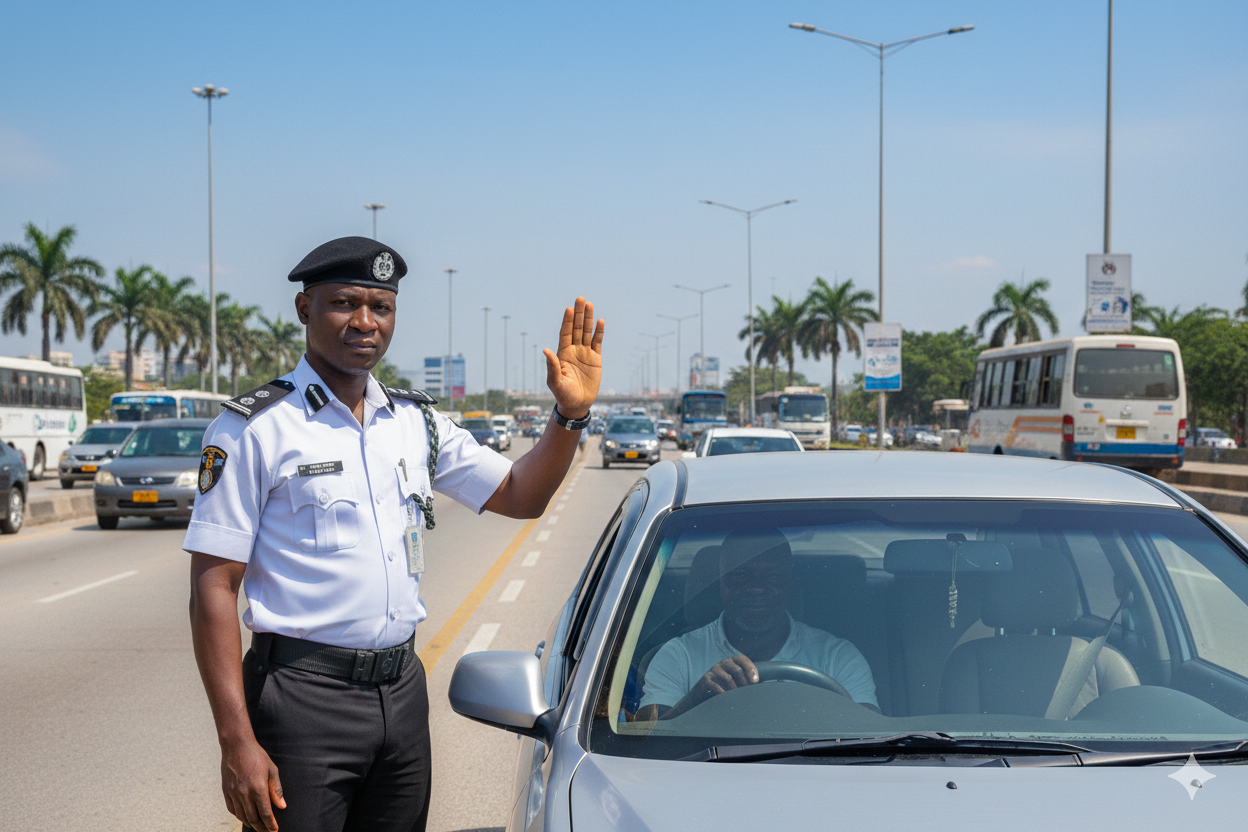
The Federal Government recently issued a directive that’s got everyone talking. In simple terms: VIO officers are no longer allowed to stop you randomly to check your vehicle documents. Yes, you read that right.
Their job now? Stick to traffic management, help with accidents, and keep our roads safe. Document checking? That’s not part of their brief anymore.
But before you start celebrating, hold on. This doesn’t mean you can drive around with expired papers or no insurance. Far from it.
So What Can VIO Actually Do Now?
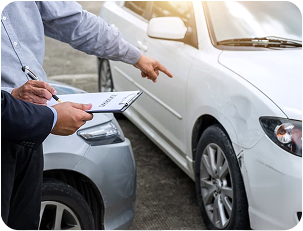
- Vehicle Inspection: Checking for mechanical and safety issues like faulty lights, worn tires, and brake problems to ensure vehicles meet state standards.
- Roadworthiness Certification: Issuing certificates or reports confirming a vehicle is safe for the road.
- Driver Testing: Administering practical and theoretical tests for new driver’s licenses.
- Vehicle Registration: Handling vehicle licensing and documentation.
- Public Education: Organizing seminars to educate drivers on road safety and discipline.
What they shouldn’t be doing is setting up checkpoints just to flip through your particulars. That’s the big change.
“So Nobody Will Check My Documents?”
Now, this is where people get confused. The directive says VIO shouldn’t check documents, but other agencies absolutely still can. Police, FRSC (Federal Road Safety Corps), and other authorized agencies still have the power to ask for your papers.
Think of it like this: just because one teacher said they won’t check homework doesn’t mean the other teachers won’t. Your documents still need to be complete and up-to-date.
How to Handle Roadside Stops (The Smart Way)
Let’s be honest – getting stopped on the road can be stressful. Here’s how to handle it without drama:
Stay calm, stay polite. I know it’s frustrating, especially when you’re rushing somewhere, but aggression never helps. Pull over safely, wind down your window, and greet respectfully.
Know what you must show. If it’s a police officer or FRSC official asking, you need to present:
- Your driver’s license (valid, not expired)
- Vehicle license (your registration papers)
- Insurance certificate (at least third party)
- Road worthiness certificate
- Proof of ownership (if you’re not the owner, a letter of authority helps)
Ask questions respectfully. If someone in VIO uniform is asking for your documents, you can politely ask, “Officer, I heard VIO is no longer checking documents. Can you clarify what this stop is for?” Sometimes officers themselves haven’t been properly briefed, and a gentle reminder works.
Don’t argue on the road. If you feel you’re being harassed or the request is improper, comply calmly but take note of details – name tag, vehicle number, location, time. You can report it later through proper channels. Roadside arguments rarely end well.
Record if necessary (but be smart about it). You have a right to record interactions with public officers, but don’t shove your phone in anyone’s face. Keep it discreet and respectful.
What Documents Should You Actually Carry?
This part hasn’t changed, directive or no directive. Every time you get behind the wheel, these should be in your car:
Your driver’s license – And it must be valid. That temporary paper from the licensing office counts too, but make sure it hasn’t expired while you’re waiting for the card.
Vehicle license – This is your proof that the car is properly registered. Whether it’s a new registration or a renewal, keep it current. Expired vehicle license can land you in serious trouble.
Insurance certificate – At minimum, you need third party insurance. It’s the law. Comprehensive is better, but third party is the bare minimum. And please, make sure it’s real insurance from a recognized company, not those fake certificates some touts sell.
Proof of ownership or authorization – If the car isn’t registered in your name, carry a letter from the owner authorizing you to drive it. This saves a lot of back and forth.
Hackney permit – If you’re using the vehicle commercially (Uber, Bolt, Taxify, or traditional taxi), this is non-negotiable. Regular private vehicles don’t need this.
“What If My Papers Are in Order But I’m Still Harassed?”
Unfortunately, this still happens. Some officers either don’t know about the new directive or choose to ignore it. Here’s what to do:
Don’t pay illegal fines or bribes. Yes, it might seem easier to “settle” with N2,000 or N5,000 to avoid trouble, but this only encourages the behavior. If you’ve done nothing wrong and your papers are complete, stand your ground politely.
Know the official complaint channels. You can report officers through the Vehicle Inspection Service portal, contact the Lagos State Ministry of Transportation, or use social media (tagging official handles often gets faster responses than you’d expect).
Get a witness or record the interaction. If other drivers are around or you have passengers, their testimony matters. A simple video recording on your phone can also protect you.
The Gray Areas Nobody Talks About
“What about those joint task force checkpoints?” You know the ones – where you see VIO, Police, FRSC all together. In these situations, the other agencies can still check your documents even if VIO officers are present. Just cooperate normally.
“Can they impound my vehicle?” If your vehicle is genuinely unroadworthy (smoking excessively, no lights at night, dangerously overloaded), VIO can still act on that because it’s a safety issue, not a document issue. That’s still within their mandate.
“What if I just renewed my papers but don’t have the new ones yet?” Keep your payment receipt and the temporary papers or acknowledgment slip. Most officers will understand, though some might still give you wahala. This is where having Kitaniz handle your registration helps – we make sure you get all necessary temporary documentation while waiting for final papers.
Why This Directive Actually Matters
Some people think this is just government talk that won’t change anything. But here’s why it’s important:
It reduces opportunities for corruption. Let’s be real – those random document checks were often just excuses to collect bribes. This directive aims to cut that down.
It improves traffic flow. How many times have you been stuck in traffic because VIO set up a checkpoint that turned the expressway into a parking lot? Less of that should mean smoother commutes.
It clarifies responsibilities. Everyone now knows who should be doing what. VIO focuses on traffic management, other agencies handle enforcement.
But Please, Don’t Get Careless
Here’s the thing – this directive is not a free pass to drive with expired papers or no insurance. If anything, you need to be more careful now because when you do get checked by Police or FRSC, they’re not playing.
The penalties for driving without proper documentation haven’t changed:
- No insurance? You could face heavy fines or even imprisonment
- Expired vehicle license? Your car can be impounded
- No driver’s license? That’s a serious offense
Plus, if you’re involved in an accident and your papers aren’t in order, you’ve added a whole new problem to an already bad situation.
Instead of worrying about who can check what, just keep your documents current. Sounds simple, but we all know Lagos life gets busy.
This is honestly where using a service like Kitaniz makes sense. You don’t have to take time off work to queue at VIO office. You don’t have to know which counter to go to or which official to talk to. We handle the whole process – new registrations, renewals, insurance, change of ownership, everything.
Think of it like this: you wouldn’t service your car yourself unless you’re a mechanic, right? Same logic. Let people who do this every day handle your documentation while you focus on your business.
The Bottom Line
The new directive is good news for drivers who keep their papers updated. It means fewer unnecessary stops and less opportunity for harassment.
But it’s not a license to be careless. Your documents still need to be complete and current. Other agencies can still check them. And if VIO stops you for an actual traffic violation or safety issue, that’s still perfectly within their rights.
Stay informed, stay compliant, and drive smart. Know your rights, but also know your responsibilities.
And if sorting out all these documents feels overwhelming, that’s literally what we do at Kitaniz. We make vehicle registration as painless as possible so you can focus on actually using your car instead of worrying about papers.